

Train Accident Cases
Trains are designed to operate at specific speeds, and if they exceed the speed limits, it could be hazardous or even fatal. Human error is usually the reason for accidents involving trains.
In the event of a railroad accident, liability can be difficult to prove, since multiple parties may be at fault. Our team can help you in bringing these companies to account.
Tracks and Crossings
A train accident is a tragic incident that can result in many victims suffering serious physical injuries and emotional trauma. Medical expenses, loss of wages and other expenses can result from a collision between a train and a vehicle or another rail collision. People who suffer injuries from trains could file a lawsuit against any person or entity found to be responsible for the incident. Depending on the type of accident, the parties who could be held accountable could include employees, railroad companies, property owners, or others accountable for the maintenance of tracks and crossings.
The majority of train accidents occur at crossings, where vehicles attempt to stop the train. These accidents can involve the driver, passengers and other pedestrians. These crashes can be caused by a variety of causes but the most common reason is the driver's inattention when trying to get ahead of the train. This usually involves not paying attention to the warning signs, not stopping at the stop signal or waiting until it is safe to cross.
The brakes on a car may fail, or the driver might misjudge the speed and direction of trains that are approaching. These issues can be made worse by blind curves or a poorly marked or maintained crossing or bad weather conditions like snow or ice which makes it difficult to see and drive safely.
In the United America, there are around 250,000 railroad crossings. More than 95 percent of all train-vehicle accidents happen at these crossings. Many of them are classified as "passive" crossings, meaning they don't have a gate or lighting and must be passed through at the drivers at their own risk. These crossings are more risky than those that have gates and lights, as they are less secure for motorists in the event of collision with a train.
The rails, signals and warning devices at a railroad crossing must be properly maintained by the railroad in order to ensure that drivers can see the approaching train or other vehicles on the road. When a train is about to arrive it is essential to clear any obstructions that may have been placed on the track. This could include a tree that has fallen, a trash container or other objects. Failure to do so can lead to a deadly crash.
Train Operators
Trains are highly complex vehicles that require trained professionals to operate. If a train operator does not follow the rules, it can result in fatal injuries or even death to passengers and others on the track. When the actions of an operator of a train or a company are deemed to be negligent the victims may seek compensation to cover emotional trauma, medical expenses and lost wages.
Train accidents are often caused due to simple human error. A driver may not walk across the tracks as a train approaches because they think they have enough time or are distracted by something else on the other side. In other instances, trains can slide off the rails and cause damage to infrastructure nearby or passengers.
In a lawsuit against a railway firm the evidence of negligence could include police and accident reports as in addition to maintenance and inspection records for the track and train. This information can show the extent to which a company failed to meet standards for safety and maintenance in a timely manner and could be the cause of an accident.
Evidence from eyewitnesses can be a valuable source for determining what happened in a railroad accident. train accident lawyer miami and statements of witnesses can be used to establish an argument against a railroad company or train operator for negligence.
A broken track or a faulty sign are examples of physical evidence that could be collected. These evidences can be scrutinized by experts to determine how the accident occurred and who was responsible for the incident.
A successful claim against a train accident could result in significant damages, but it's not without its challenges. Accident victims may face multiple claims, such as those from the train operator as well as the railway company and the manufacturers of defective equipment. They may also be confronted by authorities accountable for maintenance of the track. It can be difficult to determine who is responsible for an accident. This requires knowledge of personal injury laws, railway regulations and transportation law. An attorney with years of experience in these kinds of cases can assist victims in understanding their options and ensure they receive the maximum compensation that they are entitled to for their losses.
Passengers
In the event of a train crash the victims could suffer severe injuries. This could result in long-term emotional, financial physical and mental hardships. Our train accident lawyers aid victims of injuries to seek compensation. We will identify the parties responsible for your injuries and take them to the fullest extent of their liability.
Railroad companies owe their passengers an obligation of care because they are common carriers that provide transportation services for a fee. This means that they must provide the highest degree of security to safeguard their passengers. Unfortunately, this is not always the situation.
A collision between trains and a passenger train can be a disaster, resulting in severe injuries and sometimes death. These accidents are usually caused by inability of the railway company to fulfill their obligation of care or due to negligence on the part the train operator or a third participant.
A train accident can also cause serious injuries to pedestrians. The force of the collision can cause broken bones, spinal cord injury and internal organ damage and traumatic brain injury. A majority of these accidents are avoidable, since pedestrians can reduce their risk by observing the most important safety guidelines and using designated crossings when walking near the tracks.
In addition to examining the scene of the train crash, an attorney for personal injury will gather evidence, such as photographs and videos, eyewitness testimonies report on rail accidents from the National Transportation Safety Board, train maintenance records and other records that show the sequence of events that led to the accident. The evidence will be used to demonstrate how the responsible party breached their duty of care, resulting in your injuries and losses.
Train-pedestrian accidents can be devastating to the families of the victims. Victims can suffer emotional and physical trauma, such as post-traumatic stress disorder (PTSD), anxiety, depression, and chronic pain. In certain cases, survivors may require extensive physical therapy as well as ongoing rehabilitation.
Contact an experienced New Jersey personal injuries attorney immediately if you have been injured in a train crash or if you have lost a loved on. Our attorneys have handled a number of complicated and delicate cases.
Property Owners
If a person is injured by a train and is injured, the company that runs the track or infrastructure may be held responsible. The proof of negligence is based on proving that the person responsible for the incident violated their obligation to use reasonable care in compliance with safety standards and procedures. This is usually accomplished by reviewing records that show substandard maintenance, inadequate repairs or the failure to address known issues. The attorney will also gather evidence that proves that the actions of the responsible party directly caused the accident and injuries that resulted.
Railroad companies have a higher obligation to their passengers than the average property owner as they are considered to be common carriers and offer transportation services for a fee. This means the railroad company must take additional steps to ensure safety of passengers by ensuring that employees are properly-trained and that trains are safe.
Railroad companies also have a duty to care for motorists and pedestrians who cross railroad tracks. They must take reasonable care given the known dangers to prevent individuals from being struck by trains that pass by.
If a victim of a train collision is killed, his or her family can file a claim for wrongful death against the railroad company and other parties accountable. Wrongful Death claims are similar to personal injury lawsuits, and permit survivors to seek damages for future and past medical costs as well as loss of income and emotional distress, among other losses.
The lawyer assists the client in identifying the parties that could be responsible, and assist them in filing claims against each. This could include the train company as well as other employees and the train manufacturer, or any party who designed or sold, installed, or repaired defective components that led to an accident.
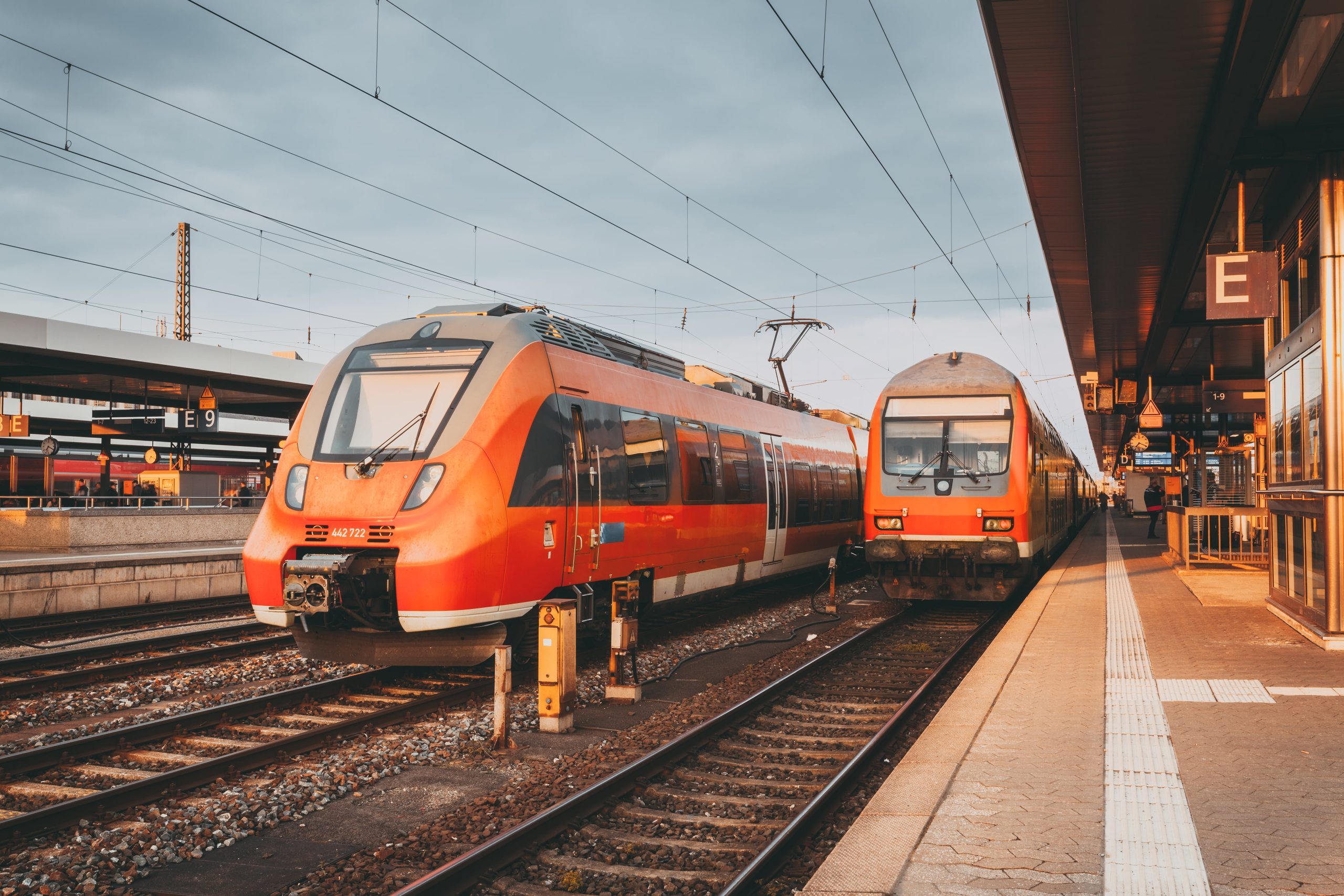
Train accidents can lead to severe and debilitating injury, and the victims should be compensated for their losses. An attorney for personal injury can assist victims in receiving the maximum amount of compensation to which they have the right to. Marc S. Albert Attorney at Law has offices in Astoria, Syosset and Long Island. They are dedicated to helping injured persons across New York City and Long Island obtain the financial resources they require.